RCBOs and Safety Switches: What Every Homeowner Should Know
Electricity makes modern life easier, but it can also be dangerous when an electrical fault occurs. RCBOs, commonly referred to as safety switches, play an important role in protecting people and property from electrical hazards. Understanding how they work and why they are important can help homeowners make informed decisions about electrical safety.
What Is an RCBO?
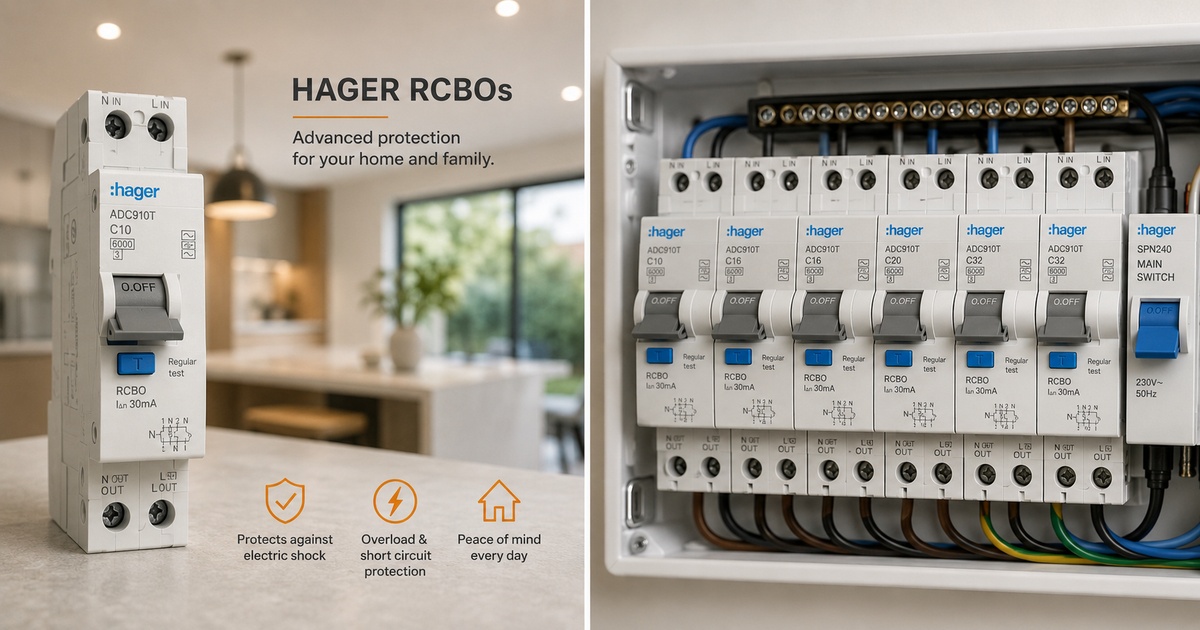
An RCBO (Residual Current Circuit Breaker with Overcurrent protection) is an electrical protection device installed in your switchboard. It is designed to provide two types of protection: protection against electric shock caused by current leakage and protection against overloads and short circuits.
A traditional safety switch, or RCD, primarily monitors the flow of electricity and disconnects the circuit when it detects an imbalance that could indicate current flowing through an unintended path, such as a person.
An RCBO combines this residual-current protection with circuit-breaker protection in one device.
How Does a Safety Switch Work?
Under normal conditions, the electrical current flowing into a circuit should be approximately equal to the current flowing back out.
If some current takes an unintended path to earth, the RCBO detects the imbalance and can rapidly disconnect the affected circuit.
This can help reduce the risk of serious electric shock from faults involving appliances, wiring or electrical equipment.
Importantly, a safety switch is not a substitute for safe electrical practices. Damaged cords, faulty appliances and other electrical problems should always be investigated by a licensed electrician.
Why Are RCBOs Important?
Modern homes can have dozens of electrical circuits powering lights, power points, air conditioning, hot water systems, ovens and other appliances.
Having individual RCBO protection for circuits can provide an additional level of protection while also making it easier to identify which circuit has experienced a fault.
For example, if one circuit develops an electrical fault, the corresponding RCBO can disconnect that circuit without necessarily switching off every other circuit in the home.
This can be particularly useful in larger homes where multiple electrical systems operate independently.
Test Your Safety Switches
Safety switches should be tested regularly to make sure they are operating correctly. Many devices have a test button that allows the operation of the safety switch to be checked.
If pressing the test button does not cause the circuit to disconnect, or if the device repeatedly trips during normal operation, it is important to have the electrical system inspected by a licensed electrician.
Never attempt to remove or work inside your switchboard yourself.
Should You Upgrade Your Switchboard?
If your home has an older switchboard, it may be worth having a licensed electrician inspect the existing protection and determine whether upgrading to modern RCBO protection would improve the safety and functionality of your electrical installation.
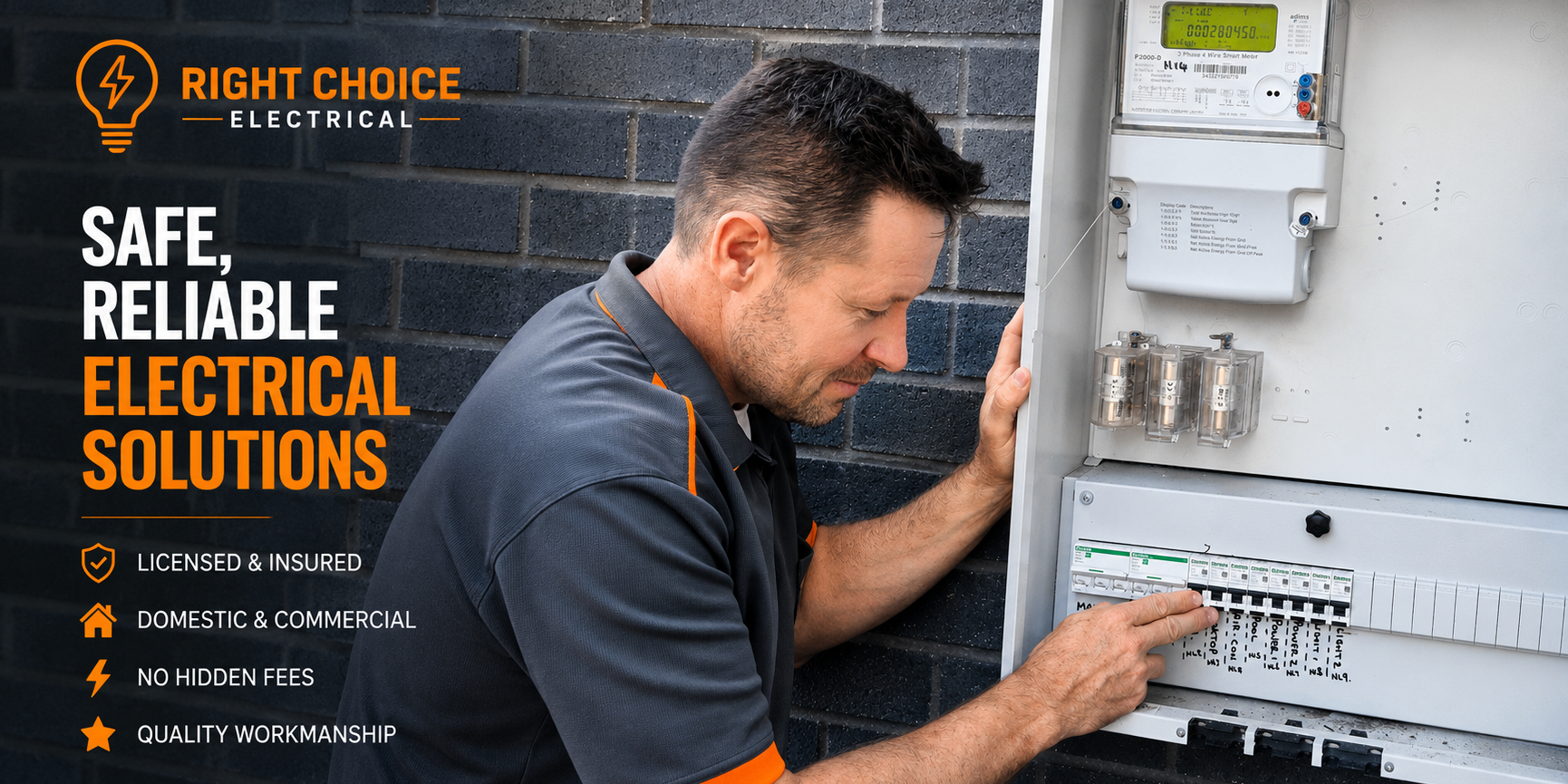
If you’re unsure whether your home has adequate safety-switch protection, contact Right Choice Electrical to arrange an electrical inspection.